
Electric motorcycles are evolving faster than ever. With better battery technology, improved performance and increasing range, electric two-wheelers are gradually becoming serious alternatives to traditional petrol-powered motorcycles.
For years, one of the biggest questions surrounding electric motorcycles was not whether they would catch up with internal combustion engine (ICE) bikes, but how long it would take. Looking at the latest developments, that gap is finally beginning to narrow.
Petrol motorcycle technology has benefited from more than a century of development. Modern ICE engines are already highly refined, and significant improvements in performance and efficiency are becoming increasingly difficult to achieve. Future developments may focus more on alternative fuels, synthetic fuels and cleaner manufacturing processes.
Electric motorcycles, on the other hand, are still at a relatively early stage of development. Battery technology, electric motors, power electronics and charging systems continue to improve, creating opportunities for substantial gains in performance and efficiency.
India’s electric two-wheeler industry has also come a long way. What started with relatively basic electric scooters has developed into a growing domestic industry producing increasingly sophisticated electric motorcycles.
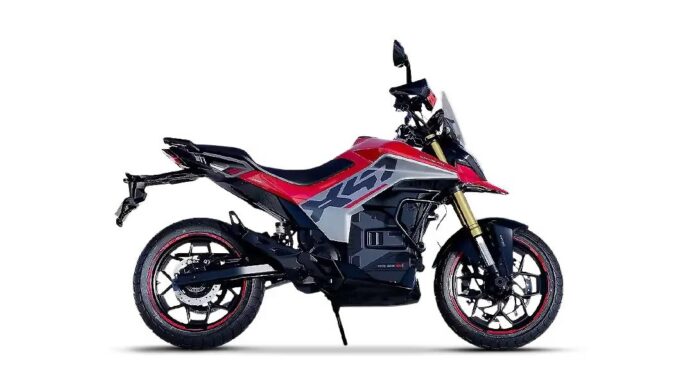
One company that has consistently attracted attention in this space is Ultraviolette Automotive. Its latest motorcycle, the X-47 Venom, demonstrates just how quickly electric motorcycle technology is progressing.
Ultraviolette X-47 Venom: A Significant Step Forward
The X-47 Venom represents an important development for Ultraviolette. The company has addressed several limitations associated with its earlier electric motorcycle platform, particularly weight, acceleration and battery performance.
Earlier Ultraviolette motorcycles offered impressive engineering and technology but faced a difficult value proposition. Buyers were often paying premium 400cc motorcycle prices for performance that felt closer to the 250cc segment, while carrying the additional weight associated with large battery packs.
The X-47 Venom aims to change that perception.
Its biggest upgrade is the introduction of Ultraviolette’s new 100V VX-100 electrical architecture, replacing the previous 60V system.
A higher-voltage architecture can deliver several engineering advantages. It can reduce current requirements for a given power output, helping manufacturers optimise cable sizes, electrical losses and power electronics. It also creates opportunities for better thermal management and more efficient packaging.
These improvements can contribute to a lighter and more capable electric motorcycle.
More Power, Better Acceleration and Reduced Weight
The performance improvements are among the most interesting aspects of the X-47 Venom.
The motorcycle produces a claimed peak output of 30kW, equivalent to approximately 40hp. Ultraviolette claims a 0-100kph acceleration time of just 5.9 seconds and a top speed of 155kph.
These figures bring the electric motorcycle much closer to conventional 350cc and 400cc petrol motorcycles in terms of outright performance.
Weight reduction is another important achievement.
The X-47 Venom is offered with two battery options: 7.5kWh and 11kWh. The smaller-battery version weighs 180kg, while the larger-battery version weighs 195kg.
Compared with the corresponding earlier X-47 models, these versions are approximately 17kg and 13kg lighter, respectively.
Reducing weight is particularly important for electric motorcycles because battery packs contribute significantly to overall vehicle mass. A lighter motorcycle can offer better handling, improved agility and a more natural riding experience.
This is an area where electric motorcycle manufacturers need to make continued progress if they want to compete more effectively with petrol-powered alternatives.
Battery Technology and Range Are Improving
Battery technology remains one of the biggest factors determining the future of electric motorcycles.
The X-47 Venom uses Ultraviolette’s new 11kWh SRB-11 battery pack in its higher-specification variants. This is an improvement over the previous 10.3kWh battery option.
Despite the increase in capacity, Ultraviolette has managed to reduce the overall weight of the motorcycle through improvements to the battery, motor and associated electrical components.
The claimed IDC range is 227km for the 7.5kWh versions and 343km for the 11kWh versions.
It is important to remember that these are certified test-cycle figures rather than guaranteed real-world riding distances. Actual range will depend on riding speed, acceleration, traffic conditions, terrain, temperature and riding mode.
Nevertheless, the improvement demonstrates how rapidly battery technology is advancing.
Electric Motorcycles Still Have Some Challenges
Despite these developments, electric motorcycles are not yet perfect replacements for petrol-powered bikes.
Charging infrastructure, battery costs, long-distance convenience and ownership experience remain important considerations for buyers.
There are also engineering challenges that manufacturers must continue to address. Recent riding impressions of the X-47 Venom have highlighted that sustained aggressive riding can result in motor temperature warnings and performance reduction.
This shows that improving peak performance is only one part of the equation. Maintaining consistent performance under demanding riding conditions is equally important.
Reliability, battery durability, after-sales support and consistent manufacturing quality will also determine whether electric motorcycle companies can establish themselves as mainstream manufacturers.
Ultraviolette Must Now Prove It Can Deliver at Scale
Ultraviolette has demonstrated considerable engineering ability over the years. Its electric motorcycles have introduced technology and performance capabilities that were once difficult to imagine in the Indian electric two-wheeler market.
The X-47 Venom is another encouraging example of that progress.
However, developing an impressive motorcycle is only half the challenge. Building a successful motorcycle business requires consistent production, dependable products, timely deliveries and a strong service network.
The company also needs to deliver on its future product commitments, including the Tesseract electric scooter and Shockwave electric motorcycle.
Customers will increasingly judge Ultraviolette not just by its technology announcements but by the actual ownership experience.
The Future of Electric Motorcycles Looks Promising
The electric motorcycle industry is moving in the right direction. Improvements in battery energy density, motor efficiency, charging technology and vehicle weight are gradually addressing the limitations that once made electric motorcycles difficult to recommend.
The Ultraviolette X-47 Venom shows that electric motorcycles can now offer performance figures that compete with established petrol-powered alternatives.
There is still work to be done, particularly in areas such as real-world range, thermal management, reliability and charging infrastructure. However, the pace of development suggests that the gap between electric and petrol motorcycles could become considerably smaller over the next few years.
Ultraviolette deserves credit for pushing the boundaries of electric motorcycle engineering in India. Its next big challenge is to turn that engineering achievement into a consistently reliable and commercially successful product.
The technology is catching up. Now the industry must prove that electric motorcycles can deliver on their promise in everyday ownership.